How to Choose a Water Bottle in Australia
For most people, the best starting point is a leakproof bottle with a capacity of about 600 to 800 ml. Choose vacuum-insulated stainless steel when you want water to stay cool for several hours, or a good-quality Tritan bottle when low weight and value matter more than temperature retention.
A sensible everyday insulated bottle usually has a simple lid, a removable seal and replacement parts that can be bought separately. These details are worth paying for. A limited-edition colour, elaborate coating or vague claim about an extra layer of insulation usually is not.
The right choice depends on where the bottle will spend most of its time. A heavy bottle can be perfectly comfortable on a desk but annoying on a hike. A squeeze bottle works brilliantly in a bike cage but is a poor companion for a laptop. A two-litre bottle sounds practical until you have to carry it full.
The quick answer
For office work, commuting and general city use, look for an insulated 650 to 750 ml bottle with a narrow base, a genuinely leakproof lid and a drinking opening you can clean properly. A good everyday insulated model will usually cost more than a basic plastic bottle, but the practical difference should come from the lid, spare parts and construction rather than branding alone.
- Choose 350 to 500 ml for younger children, short trips or very small bags.
- Choose 600 to 800 ml for most adults, office use, commuting and the car.
- Choose 800 ml to one litre for long training sessions, the beach, hiking or work without regular refill access.
- Choose more than one litre only when you genuinely need to carry a full day’s supply.
Choose the bottle around the routine
Office, study and commuting
A 600 to 800 ml insulated bottle is the easiest default. Leak resistance matters because the bottle may share a bag with documents or electronics. A narrow body is easier to hold and more likely to fit a backpack pocket or car cup holder. Complicated drinking mechanisms are only worthwhile if they make you use the bottle more often and can still be fully dismantled for cleaning.
The car
Measure the cup holder before buying. Large insulated bottles often have excellent capacity but a base that is too wide. One-handed drinking is useful, although the lid should still lock securely. A tumbler may be convenient if it always stays upright, but it should not be treated as a leakproof bottle unless the manufacturer says it can be stored horizontally.
Gym and team sport
Fast flow and easy cleaning usually matter more than all-day insulation. A lightweight plastic bottle or squeeze bottle between 700 ml and one litre is often more practical than a heavy steel model. If you use electrolyte drinks, choose a wide opening and a lid that can be taken apart, because sweet residue collects quickly inside straws and valves.
Cycling and running
Cyclists need a soft bottle that fits a standard cage and can be squeezed with one hand. Runners often prefer a soft flask that becomes smaller as it empties. These designs prioritise speed and low weight rather than desk stability or absolute leak protection in luggage.
Hiking and travel
A one-litre Tritan bottle offers a useful balance of capacity, strength and low weight. A collapsible bottle saves even more space but is harder to stand upright and dry. Filter bottles are worthwhile only when the water source requires treatment; they add drinking resistance, replacement costs and limits that must be understood before a trip.
Australian heat, outdoor work and the beach
This is where vacuum insulation earns its weight. A 750 ml to one-litre steel bottle can keep water more pleasant during long periods in the sun, while a covered spout protects the drinking surface from dust and sand. A large handle is useful, but remember that the filled bottle may weigh well over a kilogram.
School
The bottle should be easy for the child to open, light enough to carry and simple enough for an adult to clean every day. Smaller children usually need 350 to 500 ml. Older children may prefer 600 to 700 ml, but a filled insulated bottle can be surprisingly heavy. Replacement straws, lids and seals are especially valuable because these parts wear faster than the body.
The main bottle types
Vacuum-insulated stainless steel
This is the strongest all-round choice for the city, the car and hot weather. The double-wall vacuum construction slows temperature change and normally prevents condensation on the outside. The drawbacks are cost and weight. A good 700 to 800 ml steel bottle may weigh 350 to 600 g before water is added.
Steel bottles are durable but not indestructible. A dent is often cosmetic, but a hard impact can damage the vacuum layer. If the outside begins to sweat or the water warms much faster than before, the insulation may have failed.
Tritan and other reusable plastics
Plastic bottles are much lighter and generally cheaper. They are a sensible choice for the gym, hiking and travel when every gram matters. The trade-off is that water warms quickly in a hot car or direct sun. The surface can also become scratched and may retain flavours if the bottle is used for drinks other than water.
Single-wall steel and glass
Single-wall steel is lighter than an insulated bottle and more robust than many plastics, but it does not keep water cold and can develop condensation. Glass gives a neutral taste and makes dirt easy to see, yet it is heavy and breakable even with a silicone sleeve. It is most suitable for home or a calm office rather than sport, school or hiking.
Specialist bottles
Bike bottles, soft flasks, filter bottles and tumblers solve different problems. A bike bottle is fast but not designed for loose luggage. A soft flask is light but awkward on a desk. A filter bottle can treat certain contaminants but requires replacement elements and does not remove every possible hazard. A tumbler is comfortable in the car but may only be splash resistant.
The five features that matter most
1. Capacity and filled weight
Water weighs one kilogram per litre, so the empty weight is only half the story. A 450 g bottle filled with 750 ml of water weighs about 1.2 kg. A large reinforced steel bottle can approach 1.5 kg when full. Bigger is not automatically better if the bottle becomes unpleasant to carry and stays at home.
2. Shape and diameter
Check the car cup holder, backpack pocket, fridge shelf and bike cage. A wide mouth is easier to clean and accepts large ice cubes, but a wide body may not fit where you need it. A narrow bottle is easier to hold and transport, although cleaning may require a brush.
3. Lid design
The lid is usually more important than the body. A screw cap is simple and reliable but normally needs two hands. A covered spout is faster and cleaner in public spaces but adds a hinge and seal. A straw allows upright drinking but creates extra channels that must be dismantled. A sports valve gives high flow but may not be fully leakproof.
4. Leakproof versus splash resistant
Look for a direct statement that the bottle is leakproof when closed. Terms such as spill resistant or splash resistant do not guarantee that it can lie next to a laptop. Remember that different lids for the same bottle may have different ratings.
Test a new bottle at home. Fill it with cold water, close it, dry the outside and leave it on its side over a paper towel. Turn it several times. This simple check can reveal a twisted seal, incorrect assembly or a manufacturing fault before the bottle goes into a bag.
5. Cleaning
The easiest bottle to keep hygienic is the one you can completely see, dismantle, wash and dry. The usual trouble spots are silicone seals, straws, bite valves, button mechanisms and hidden cavities. A removable gasket is a positive sign. A sealed area that traps water but cannot be inspected is not.
Empty the bottle at the end of the day, wash it with warm soapy water and leave it open until completely dry. Sweet drinks, electrolyte mixes and milk-based drinks need immediate cleaning because residue in a straw or seal quickly creates odour and build-up. Check separately whether the body and lid are dishwasher safe.
Materials and safety
The words BPA-free do not tell you whether a bottle is durable, leakproof or easy to clean. Choose the material for the job and follow the temperature limits. Do not keep reusing disposable packaging as a permanent bottle, and do not pour hot or carbonated drinks into a bottle unless the manufacturer specifically allows it.
Pay particular attention to straw lids. A steel body may tolerate warm liquid while the straw cap is intended only for cold drinks. Pressure from carbonation can also force liquid through a valve or cause the lid to open abruptly.
A sensible minimum standard
For a dependable everyday bottle, look for a capacity around 650 to 750 ml, a genuinely leakproof closure, a removable seal, an opening wide enough to clean and replacement parts that are available locally. For a steel bottle, an empty weight around 350 to 450 g is a useful target. For a plastic bottle, prioritise a strong hinge, good thread and a lid that comes apart.
What is worth paying extra for
- A simple lid that can be fully dismantled without tools.
- Replacement lids, seals, straws and valves.
- A locking, leakproof closure for bags and school use.
- A covered drinking surface for public transport, outdoor work, the beach and children.
- Vacuum insulation when the bottle will sit in a hot car, on the beach or outdoors for hours.
Reinforced construction is also worth paying for if the bottle will be dropped regularly. The trade-off is weight. For a quiet office, a heavy-duty body may create more inconvenience than value.
Where you can save
If water is easy to refill and will be consumed within a few hours, a simple plastic bottle can be more useful than a premium insulated one. You can also save by choosing a screw cap instead of a button mechanism, skipping a filter when the water source is reliable and ignoring decorative finishes.
Do not save on the seal, thread or access for cleaning. A cheap bottle becomes expensive when a small broken part forces you to replace the entire product. Australian consumer comparisons also show that a higher price does not automatically produce better temperature retention or usability.
Problems that appear after purchase
Leaks
Leaks may come from a worn gasket, a twisted seal or a lid that was only designed to resist splashes. Reviews of a brand are less useful than reviews of the exact lid version, because manufacturers often use several caps across one bottle family.
Mould and odour
The body is rarely the main problem. Build-up develops inside silicone seals, straws, valves and button housings that stay damp. Repeated owner complaints about the same hidden cavity are a meaningful warning, particularly when the part cannot be removed.
Paint wear, dents and failed insulation
Powder coating can chip when the bottle is dropped or carried beside keys. Most dents are cosmetic, but condensation on a vacuum bottle or rapidly warming water may indicate that the insulated layer has been damaged.
Slow flow and excessive weight
A narrow valve or filter can feel fine at a desk and frustrating during exercise. Weight is another delayed complaint: shoppers handle the empty bottle in a store but live with it full. Check both before deciding that maximum capacity or maximum durability is automatically better.
How to read reviews
Do not rely only on the average rating. Search for leak, gasket, seal, mould, straw, valve, hinge, button, condensation, vacuum, paint chip, dent, replacement lid and warranty. Reviews written after several months are more useful than first impressions about colour or packaging.
One leak may be a faulty unit or incorrect assembly. Many owners describing the same broken hinge or inaccessible seal suggest a design risk. Photographs of a dismantled lid are particularly useful because they show whether the problem can be cleaned or repaired.
Cost of ownership
A basic bottle may need nothing more than a brush and an occasional replacement seal. Filter bottles add cartridges. Proprietary systems can also require brand-specific straws, lids or accessories. Before buying, check whether replacement parts are stocked in Australia and whether a broken lid can be replaced without discarding the body.
A more expensive bottle can be cheaper over time if the common wear parts are available. A premium ecosystem can also cost more if every small component is proprietary. The useful question is not simply how much the bottle costs today, but what happens after the first seal, straw or hinge wears out.
Final checklist
- Where will the bottle be used most often?
- How long will you normally go between refills?
- What will the bottle weigh when full?
- Will it fit the cup holder, bag pocket, fridge shelf or bike cage?
- Does the manufacturer explicitly describe the closed lid as leakproof?
- Can the lid be opened with one hand if that matters?
- Is the drinking surface covered?
- Can the gasket, straw and valve be removed and inspected?
- Which parts are dishwasher safe?
- Are replacement lids and seals available in Australia?
- Do reviews repeatedly mention leaks, mould, broken hinges or failed insulation?
- Are hot or carbonated drinks allowed?
- Do you genuinely need insulation or a filter?
For most buyers, the final choice is straightforward: a leakproof 600 to 800 ml insulated bottle for city use and hot weather, or a lighter plastic bottle when weight and price matter more. More complex lids, filters, oversized capacities and reinforced bodies should solve a specific problem rather than being added just in case.
A good bottle is not necessarily the most expensive one. It is the bottle that is easy to wash, does not leak, fits where you carry it and is comfortable enough to leave the house every day.
Water bottles to consider
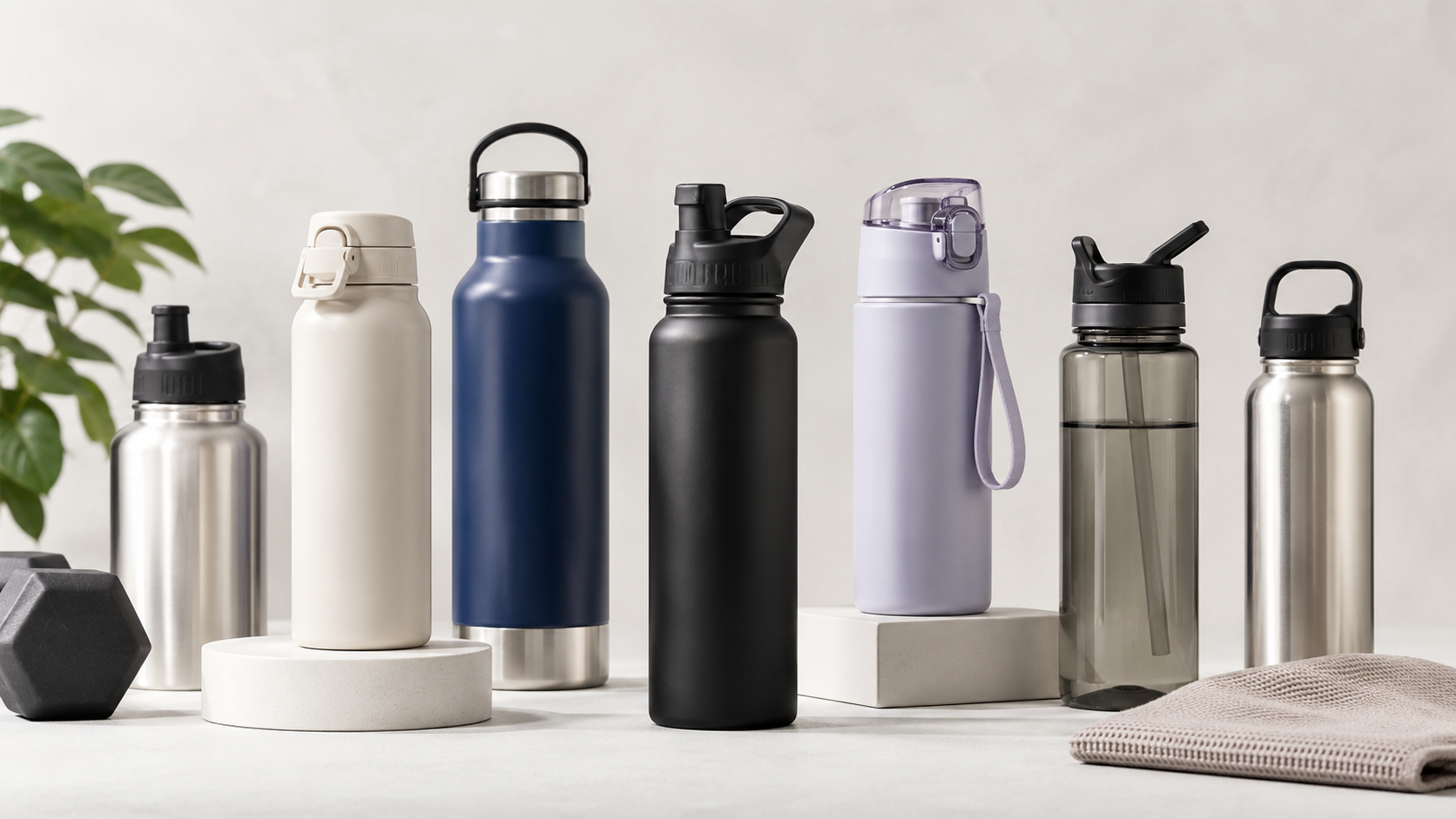
The products below represent different use cases rather than a single universal ranking. The best option is the one that matches your routine, preferred lid and tolerance for weight and cleaning.
Published 31 July 2026 · Updated 31 July 2026
Aussie Saver may earn a commission when you buy through links on this page, at no extra cost to you. Read our full affiliate disclosure.
How we selected these picks
This guide compares bottle materials, capacity, weight, lid design, leak resistance, cleaning requirements, insulation and suitability for different routines. Product suggestions use the current Aussie Saver catalogue and are intended to illustrate different use cases. We have not physically tested every product in this guide.
Comparison
A side-by-side summary of every pick in this guide.
- Best for
- Office, commuting, the car and everyday use in Australian heat.
- Key features
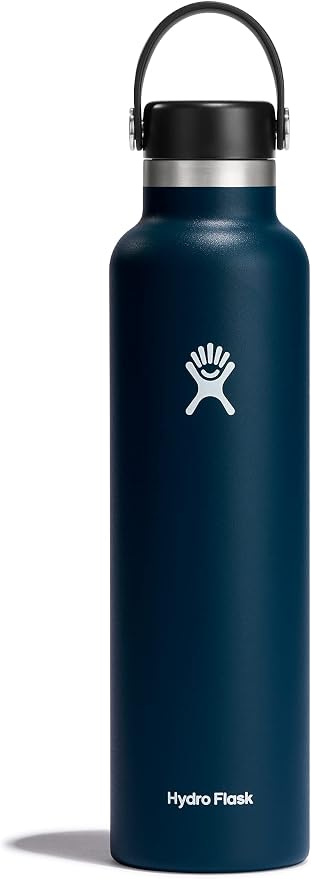
- 710 ml insulated stainless steel with a narrow body and Flex Straw Cap.
- Main downside
- The insulated steel body is heavier than plastic, and the straw cap adds cleaning work.
- Best for
- People who alternate between sipping through a straw and taking a faster drink.
- Key features
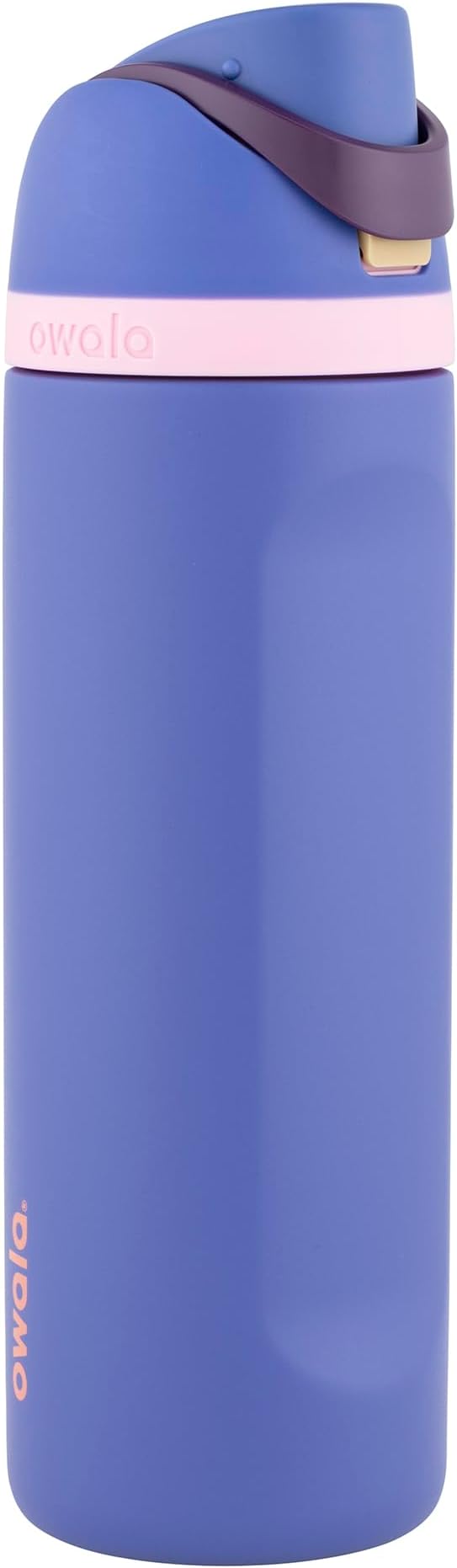
- 710 ml vacuum-insulated steel bottle with a covered FreeSip opening.
- Main downside
- The FreeSip lid is convenient but more complicated to dismantle and wash.
- Best for
- Outdoor work, camping and buyers who prioritise durability.
- Key features
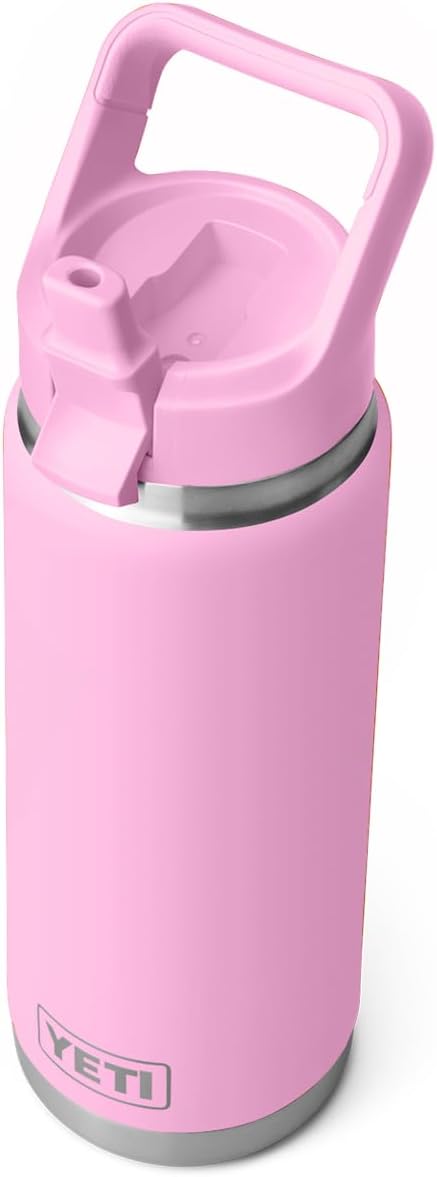
- 26 oz stainless-steel bottle with double-wall insulation and straw cap.
- Main downside
- The rugged construction adds substantial weight and bulk.
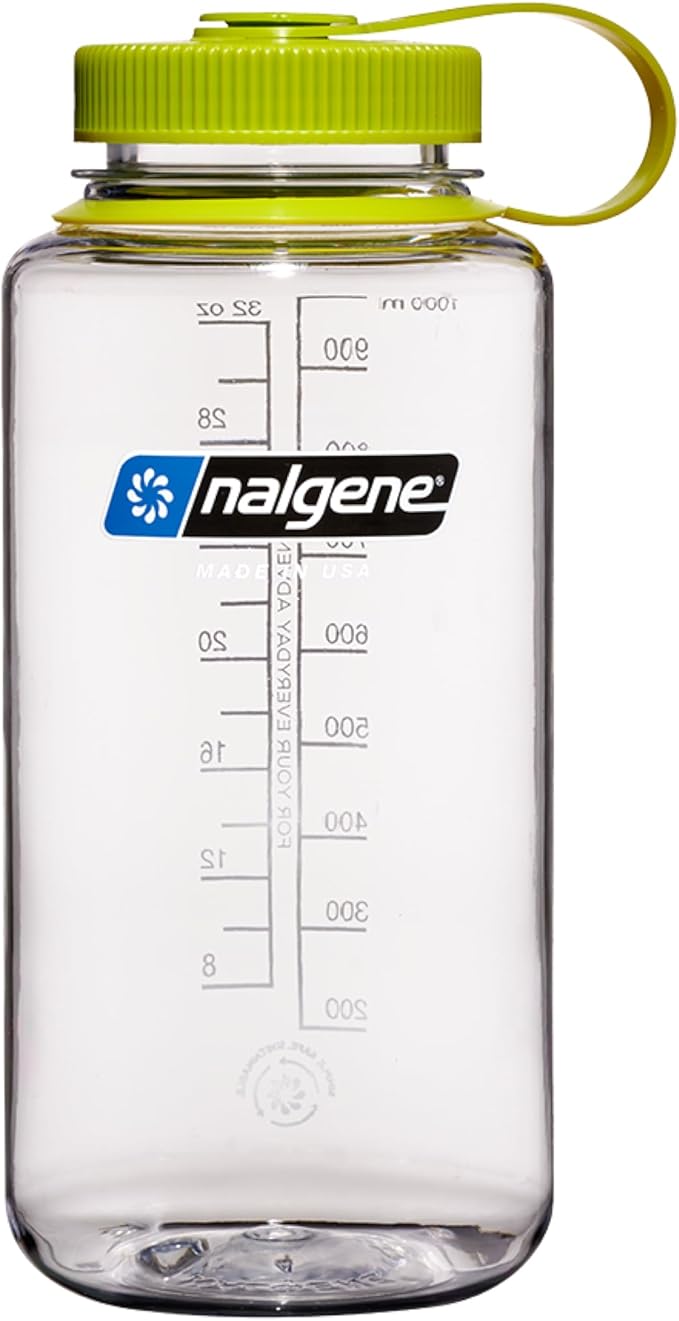
- Best for
- Hiking, travel and the gym when low empty weight matters.
- Key features
- One-litre Tritan Renew bottle with a wide mouth and screw cap.
- Main downside
- Water warms quickly in a hot car or direct sun.
- Best for
- Cyclists who need fast one-handed drinking from a standard bottle cage.
- Key features
- Approximately 710 ml cycling bottle with a self-sealing high-flow valve.
- Main downside
- The squeeze-valve format is designed for a bike cage, not for lying beside electronics.
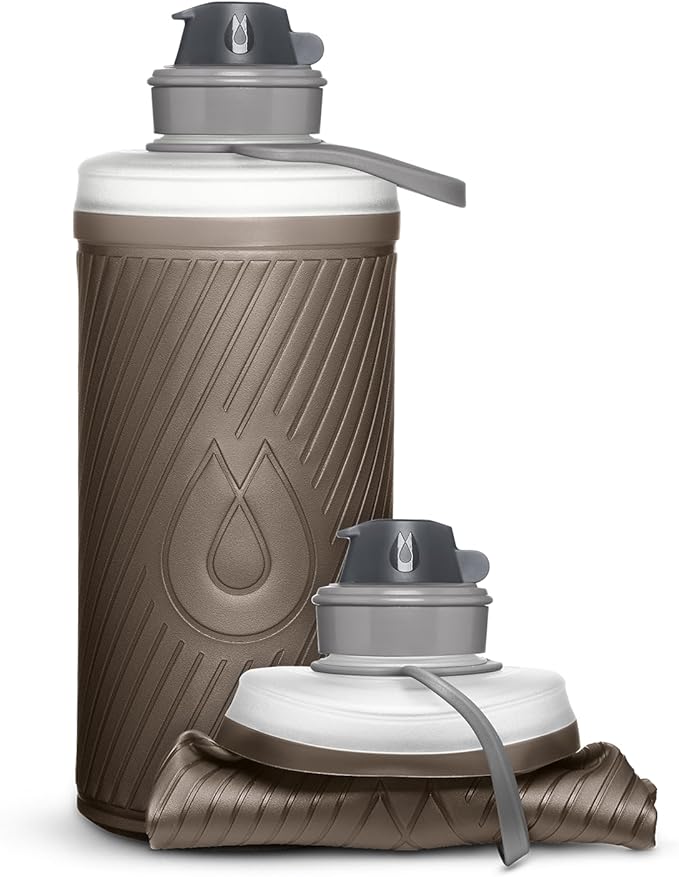
- Best for
- Hiking and travel where packed size and weight are priorities.
- Key features
- One-litre collapsible bottle with dust cover and filter-compatible thread.
- Main downside
- The collapsible body is less convenient for ordinary office use.
- Best for
- Travel and routes where water may contain bacteria, parasites or microplastics.
- Key features
- Approximately 650 ml bottle with membrane and activated-carbon filtration.
- Main downside
- The filter does not address every possible contaminant and is unnecessary for reliable tap water.
Detailed reviews
Full write-ups for every product in this guide.
Hydro Flask 24 oz Standard Mouth with Flex Straw Cap (Indigo)
A balanced 710 ml insulated bottle for daily city use, commuting and hot weather.
Why we picked it
The 710 ml capacity sits in the most useful everyday range, while the narrow body is easier to carry and more likely to fit a car cup holder than many wide insulated bottles. It is a strong default when cold retention and daily portability matter.
Key specifications
- lid
- Flex Straw Cap
- weight
- Approximately 374 g
- capacity
- 710 ml
- material
- Stainless steel
- cup holder
- Fits most cup holders
- insulation
- Double-wall vacuum insulation
- Practical 710 ml capacity
- Narrow cup-holder-friendly shape
- Vacuum-insulated steel body
- Replaceable lid system
- Costs more than a basic plastic bottle
- Straw lid needs regular cleaning
Office, commuting, the car and everyday use in Australian heat.
Buyers who want the lightest possible bottle or a very simple screw cap.
Owala FreeSip Insulated Water Bottle 710ml (Blue Jay)
A versatile insulated bottle with a genuinely useful straw-and-sip lid.
Why we picked it
The built-in straw and wider sip opening solve two different preferences in one lid. The covered spout and locking loop also make it practical for commuting, the gym and general daily use.
Key specifications
- lid
- FreeSip spout with built-in straw
- colour
- Blue Jay
- capacity
- 710 ml
- material
- Stainless steel
- insulation
- Vacuum insulated
- Two drinking styles
- Covered drinking spout
- Locking carry loop
- Vacuum-insulated body
- More lid parts than a screw cap
- Steel body should be handled carefully to protect the finish
People who alternate between sipping through a straw and taking a faster drink.
Users who prefer the simplest possible lid.
YETI Rambler 26 oz Bottle with Straw Cap (Power Pink)
A robust insulated bottle for demanding everyday and outdoor use.
Why we picked it
The durable body and replaceable cap system suit users who regularly expose a bottle to knocks, outdoor work or camping. The trade-off is much more weight than a lightweight plastic bottle.
Key specifications
- lid
- Straw Cap
- care
- Dishwasher safe
- capacity
- 26 oz
- material
- 18/8 stainless steel
- insulation
- Double-wall vacuum insulation
- Robust 18/8 stainless steel
- Double-wall vacuum insulation
- Dishwasher-safe design
- Replaceable cap system
- Heavy for its capacity
- May be too wide for some cup holders
Outdoor work, camping and buyers who prioritise durability.
Lightweight travel, small bags and narrow vehicle cup holders.
Nalgene Sustain Wide Mouth 1L (Clear)
A very light one-litre bottle for hiking, travel and high-capacity everyday use.
Why we picked it
The one-litre capacity provides a substantial water reserve without the heavy empty weight of insulated steel. The wide mouth is easy to clean and useful for ice or compatible filtration accessories.
Key specifications
- lid
- Wide mouth screw cap
- care
- Dishwasher safe
- weight
- Approximately 177 g
- capacity
- 1 L
- material
- Tritan Renew
- Approximately 177 g empty
- One-litre capacity
- Wide mouth for cleaning and ice
- Compatible with many filters
- No insulation
- Wide body is not ideal for every cup holder
Hiking, travel and the gym when low empty weight matters.
Users who need cold water to last through a hot outdoor day.
CamelBak Podium Chill 24 oz (Black)
A specialised squeeze bottle for fast hydration while cycling.
Why we picked it
The soft body and high-flow valve allow quick drinking with one hand while riding. Its shape is designed around bicycle cages, which matters more in this scenario than absolute bag-proof sealing.
Key specifications
- type
- Squeeze cycling bottle
- valve
- High-flow self-sealing valve
- weight
- Approximately 122 g
- capacity
- Approximately 710 ml / 24 oz
- insulation
- Double-wall construction
- Squeezable body
- High-flow self-sealing valve
- Standard cycling shape
- Low empty weight
- Not fully leakproof for loose luggage
- Insulation is limited compared with a vacuum bottle
Cyclists who need fast one-handed drinking from a standard bottle cage.
Commuters who need a fully sealed bottle for a backpack.
HydraPak Flux 1L (Mammoth Grey)
A lightweight collapsible one-litre bottle for trekking and compact packing.
Why we picked it
At roughly 102 g, the Flux provides one-litre capacity with very little empty weight. It also compresses after use, making it more useful in a hiking pack than a rigid bottle of the same volume.
Key specifications
- type
- Collapsible bottle
- thread
- 42 mm filter-compatible
- weight
- Approximately 102 g
- feature
- Dust cover and high-flow nozzle
- capacity
- 1 L
- material
- TPU and HDPE
- Approximately 102 g empty
- Collapses as it empties
- One-litre capacity
- 42 mm filter-compatible thread
- Less stable on a desk
- Flexible folds need careful drying
Hiking and travel where packed size and weight are priorities.
People wanting a rigid bottle that stands firmly in a cup holder.
LifeStraw Go Water Filter Bottle 650ml (Blue)
A specialist filter bottle for travel and uncertain water sources.
Why we picked it
The filter system can remove bacteria, parasites and microplastics while reducing chlorine taste and odour. It is useful when filtration is genuinely needed, but the ongoing filter cost and limitations make it a specialist rather than universal choice.
Key specifications
- type
- Filter bottle
- reduces
- Chlorine, taste and odour
- removes
- Bacteria, parasites and microplastics
- capacity
- Approximately 650 ml
- carbon life
- Approximately 100 L
- membrane life
- Up to 4,000 L
- Membrane filtration
- Reduces chlorine taste and odour
- Portable treatment format
- Replaceable filter elements
- Replacement filters add ongoing cost
- Drinking requires more effort
Travel and routes where water may contain bacteria, parasites or microplastics.
Ordinary city use with dependable drinking water.
For details on how we handle affiliate links, see our full affiliate disclosure.